
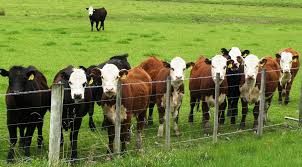

In Africa, having the largest cattle herd is not always a predictor of being the biggest beef or milk producer. Ethiopia, Sudan, Tanzania, Nigeria, Kenya are the top five countries with the largest cattle herds in Africa.




In Africa, having the largest cattle herd is not always a predictor of being the biggest beef or milk producer. Ethiopia, Sudan, Tanzania, Nigeria, Kenya are the top five countries with the largest cattle herds in Africa.

The total poultry imports from Brazil are estimated at R3,2 billion for 2017. During the first 10 months of 2018 Brazilian imports already exceeded R2,9 billion.
The expected imports for 2018 can be estimated at R3,6 billion. From the world, South Africa imported until October an estimated R5,14 billion broiler meat products. The total imports from the world for 2018 are estimated at R6,2 billion. Keep in mind that the average exchange rate for the Rand to the $ were R13.32 in 2017 and R13.16 in 2018. The import value of poultry products increased by 20% year on year. The profitability of local poultry production is challenged by the increased competitive imports from the world. South African exports of poultry declined year on year by 16,3%. The impact of imports on the poultry industry and the consequent substitution of local production impacts also on other industries such as the grain and oilseeds industry. Growth in the domestic market for locally produced feedstock such as maize and soybean are impacted negatively as well.
Highlights
South African poultry imports increased by 20% year on year. The value of poultry imports is estimated at R6,2 billion for 2018. The Poultry Association applied for an adjustment in the import tariff to protect the local industry from cheaper imports.
Livestock
The combination of the unusual increase in supply by primary producers of cattle to meet cash flow needs and the seasonal increase of supply by feedlots at abattoirs to meet demand during the festive season weigh on local beef prices.
The tightening supply in Australia and a strong export demand will support mutton prices in 2019
At current prices US pork producers will be producing pork at break-even levels during Q1 in 2019. Producers will incur losses with further declines in pork prices.
ABSA AGRI TRENDS- Wessel Lemmer.
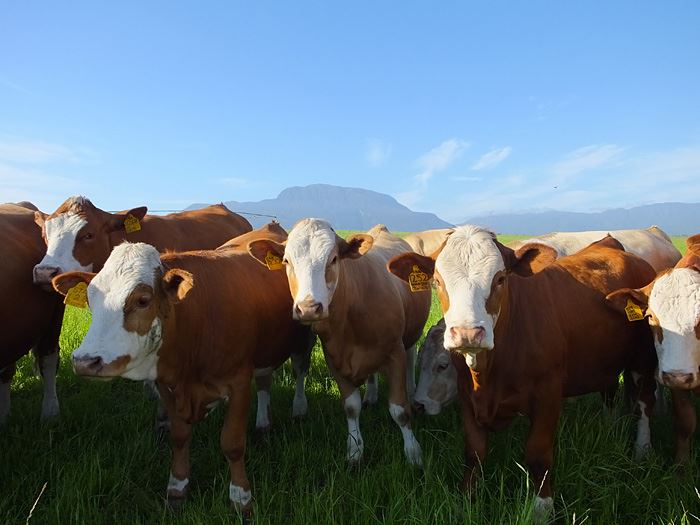
As the first China International Import Expo (CIIE) held in Shanghai this last week comes to an end, attention turns to the South African beef industry, one of the clear winners of increased favourable relations between China and South Africa.
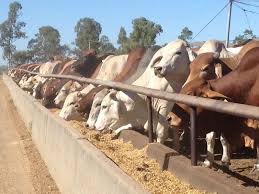
The world’s largest cattle feedlot is expanding South African beef exports beyond the Middle East to take advantage of surging demand in China and other Asian markets.
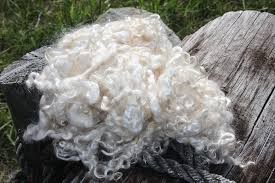
In an industry with a history of sustainability and ethics, one thing stands out more than anything else: love.
Soft, luxurious, warm and timeless. It’s difficult to imagine mohair as anything other than a lovely scarf, but the fact is, the true story behind its production is almost as beautiful - and very important to the South African economy.
Mohair is a fibre derived from the fleece of Angora goats and the industry supports more than 800 South African farms and an estimated 30,000 dependents. Fifty percent of the world’s mohair is produced in SA, under strict guidelines of sustainability that have been in continual development since 2009.
Image: Supplied
It’s all about the goats
Aside from the numbers, though, it’s all about the goats. These gentle, somewhat charismatic creatures are at the heart of a farming industry that is driven by ethics and expertise. Angora farmers have a deep understanding of their goats that only a farmer who loves his animals can have. They’re a passionate bunch who regard the well-being of their livestock as an abiding commitment that is beyond question.
Many of South Africa’s Angora farms have been in production for more than a century, with knowledge and skills passed down through generations. As such, mohair production in SA is as much a commercial enterprise as it is a family legacy. Of course, profitability is important, too, and is intrinsically linked to how the goats are treated and cared for.
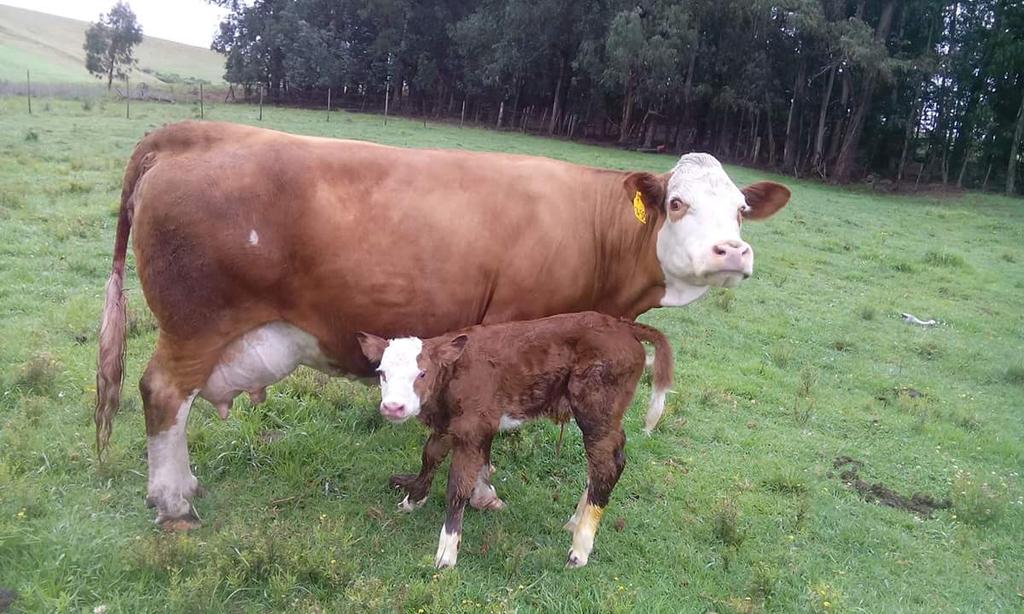
Cows born without horns or pigs that never reach puberty? These scenarios could become a reality soon thanks to new gene-editing tools.
A company wants to alter farm animals by adding and subtracting genetic traits in a lab.

