
Biotechnology and biodiversity in Africa
- Hits: 1988
User Rating: 5 / 5

Though biotechnology is most often seen as a tool to meet Africa’s food needs, it could also play a role in protecting the continent’s unique biodiversity.








User Rating: 5 / 5
Though biotechnology is most often seen as a tool to meet Africa’s food needs, it could also play a role in protecting the continent’s unique biodiversity.
User Rating: 5 / 5
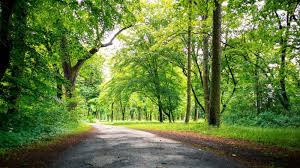
There are two important answers to the question “why do we need more trees in farmland?” One is global and one is local.
User Rating: 5 / 5
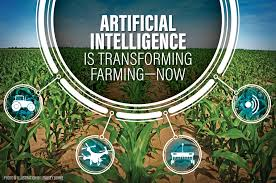
As South Africa seems to remain woefully static, the world around us is undergoing seismic shifts. That is not to say we are not deeply impacted, we are, but we are not responding effectively to these changes. This is an uncomfortable truism.

User Rating: 5 / 5
For decades, scientists have been warning about potential future effects of global climate change, including more frequent wildfires, longer periods of drought, and sharp increases in the number, duration, and intensity of tropical storms.


A team led by Dr Stephanie Midgley, Specialist Scientist for Climate Change at the Western Cape Department of Agriculture, recently completed a Hortgro-funded climate change response strategy for the South African deciduous-fruit industry.

User Rating: 5 / 5
The global demand for seafood has led to innovative approaches to aquaculture, and abalone farming is emerging as a sustainable solution. In a recent interview, Bertus van Oordt, CEO of HIK Abalone Farm, shed light on the natural characteristics of their abalone and the focus on sustainable farming practices.

