


Increasing agricultural productivity on existing farmland could ensure sustainable and resilient food systems in Africa and boost biodiversity through preservation of forest and grassland ecosystems, a new report says.








Increasing agricultural productivity on existing farmland could ensure sustainable and resilient food systems in Africa and boost biodiversity through preservation of forest and grassland ecosystems, a new report says.

If Covid-19 has changed anything in the food industry, supply chains and production are at the top of the list.
In July, the United Nations sounded alarms with its 2020 hunger report, which documented a 25% increase from 2019 to 2020 in the number of severely undernourished people in the world.

When it comes to global food security and the development of smallholder farmers, we live in an era of lessons learned. Never before have we understood as much about what does work and what does not.
Globally, 2021 is a critical year for recovery and food system transformation. If we do not transform our food systems, we will hardly attain the Sustainable Development Goals (SDGs), particularly ending hunger. In this decade, Africa will need to chart clear pathways and identify concrete actions that can build sustainable and resilient food systems.
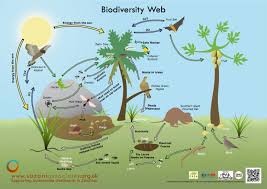
The majority of the worlds’ poor live in rural areas and rely closely on biodiversity for food security, nutrition and employment, with agriculture providing the primary source of employment.

