











While it is early to make a definitive assessment, one can argue that South Africa’s agricultural sector has been relatively more insulated from the Covid-19 pandemic than other sectors of the economy that are on complete lockdown.

If there is just one outcome from the Covid-19 pandemic in South Africa that could be considered positive, it is this: for perhaps the first time, the reality of household hunger and malnutrition has become visible to policymakers.
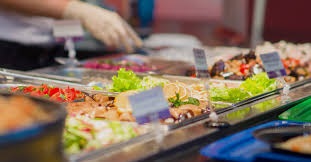
COVID-19 has caused widespread turmoil and volatility since the start of 2020 and the measures implemented to contain it have sent shockwaves throughout the global economy.

As the lockdown for families in their homes and the economic impasse regarding businesses that have been closed are beginning to take a toll on communities and households, the reality of food shortages in poor areas is gradually becoming a bigger threat than the coronavirus itself.

After suffering severe labor shortages due to the COVID-19 pandemic, it seems unlikely that advanced-economy farmers will return to business as usual. Instead, many will probably attempt to mitigate the risks stemming from dependence on foreign seasonal workers by automating more of their operations.

