


By banning the transport of alcohol, those regulations have meant that, in practice, there’s no way for wine to move from a winery directly to a consumer anywhere in the country, or from an inland winery to a port at the coast.








By banning the transport of alcohol, those regulations have meant that, in practice, there’s no way for wine to move from a winery directly to a consumer anywhere in the country, or from an inland winery to a port at the coast.
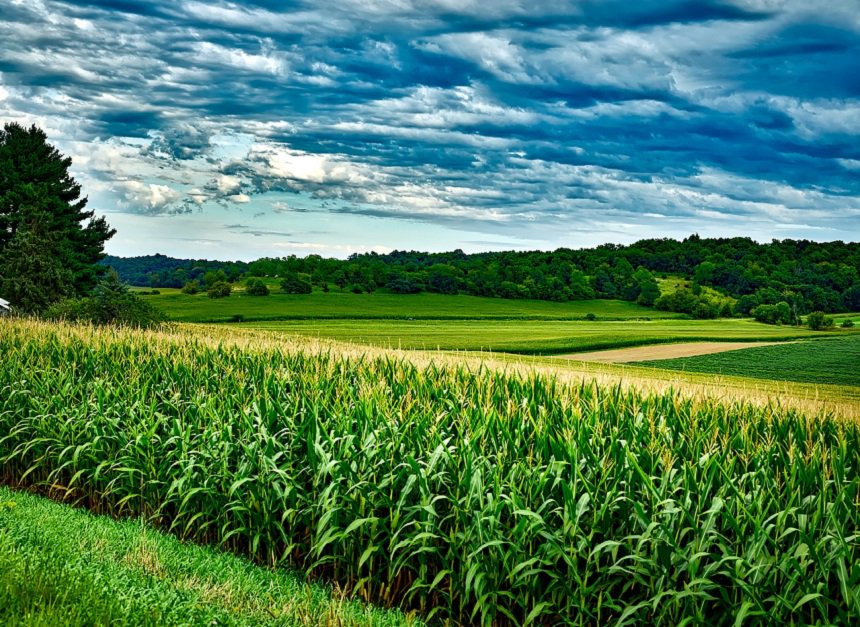
Die grootte van die verwagte kommersiële mielie-oes is op 15,222 milj. ton gestel, wat 2,78% of 412 170 ton meer is as die vorige skatting van 14,809 milj. ton.
Minister Patel today provided a draft framework for sectors for the different levels of lockdown, asking for comments and input before the final regulations will be promulgated next Thursday, in time for the shift to level 4.

Durban - As the country waits with bated breath on President Cyril Ramaphosa's announcement on Thursday night on whether or not the national lockdown will end at the end of April, a government document – shared widely on social media – has outlined exactly how the government will ease the restrictions.
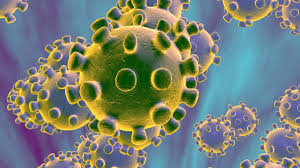
The physical distancing measures announced by President Cyril Ramaphosa on 15 March followed by an extended lockdown may have bought us time to prepare for Covid-19. Good leadership has helped the response, but the current lockdown is not sustainable.

Clem Sunter is a scenario planner and strategist whose influential ideas in the 1980s played into apartheid South Africa opting for the High Road of political settlement, rather than the Low Road of confrontation and civil war.

