
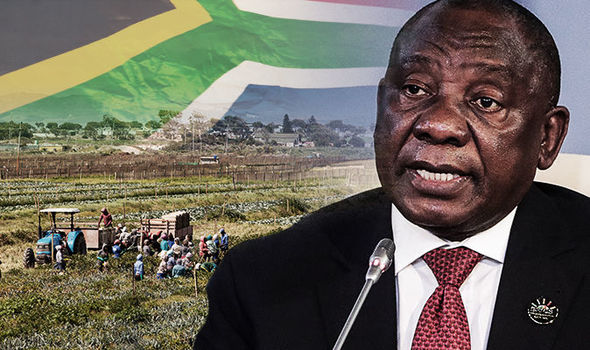

The ANC has always promoted the virtues of redistributing wealth and, more recently, using expropriation without compensation as a means to achieve this. Well, now we’ve had a real-world experiment.








The ANC has always promoted the virtues of redistributing wealth and, more recently, using expropriation without compensation as a means to achieve this. Well, now we’ve had a real-world experiment.

South Africa is one of the most developed countries in the African region.
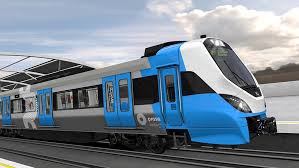
The ports arm of state logistics firm Transnet on Wednesday declared force majeure on its Natcor rail line that connects Gauteng and KwaZulu-Natal, due to ongoing riots and social unrest in the two provinces, a move that risks halting the country’s lucrative mineral and fresh produce exports that have so far been a salve to ailing economic growth.
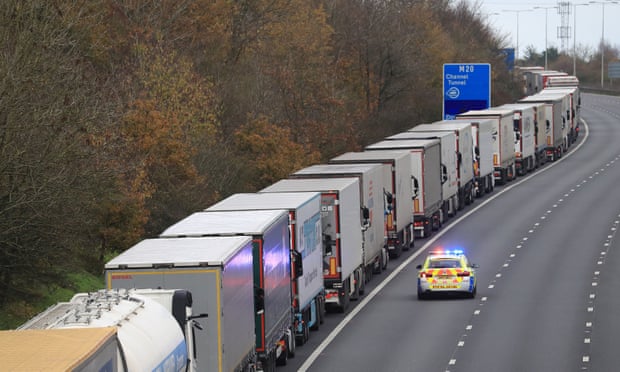
When South Africa’s president, Cyril Ramaphosa, addressed the nation on July 12 amid violence and destruction of property in parts of KwaZulu-Natal and Gauteng provinces, he warned of several risks if the situation was not resolved swiftly. One of them was food security.

Passage between production regions and port of Durban closed after violence from supporters of former president.

South Africa’s food and beverage industry in 2020 was worth around R43.6-billion, according to data from Statistics South Africa, but that was down from income of R71.4-billion in 2019 – an indication of the devastating toll taken by lockdown restrictions that began in March last year.

