


There is an unbelievable contrast today in Africa: How can a continent with such an abundance of arable land, water and sunshine annually import food worth $35 billion? How can it be that the continent is not food secure? This must change.







There is an unbelievable contrast today in Africa: How can a continent with such an abundance of arable land, water and sunshine annually import food worth $35 billion? How can it be that the continent is not food secure? This must change.
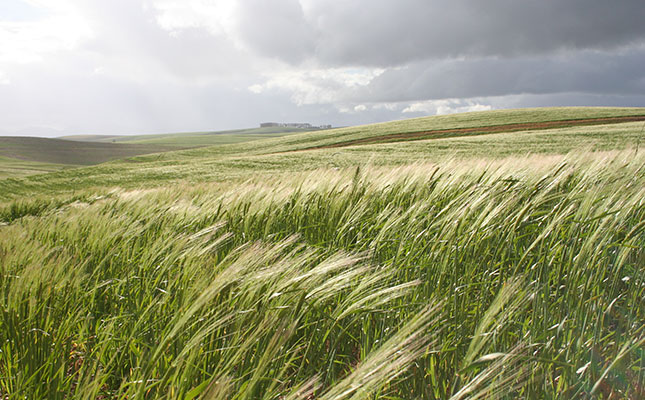
FAO’s forecast for global cereal production in 2020 has been raised by 1.7 million tonnes this month to 2 767 million tonnes, 2.1 percent above the 2019 output.

$957 billion. That has just been confirmed by the UN as the average amount that low- and lower-middle-income countries invest annually in agriculture.

When the COVID-19 pandemic hit, concern immediately arose that sub-Saharan Africa faced a potential worsening in food insecurity.

Zimbabwe is one of the African countries that hopes renewable energy technologies will help to address their energy problems. About 42% of Zimbabwe’s households are connected to the electricity grid.
2020/21 will be a period we won’t forget in a hurry in the international fresh produce sector or for that matter for any other part of our lives.

